Why this place
Taipei
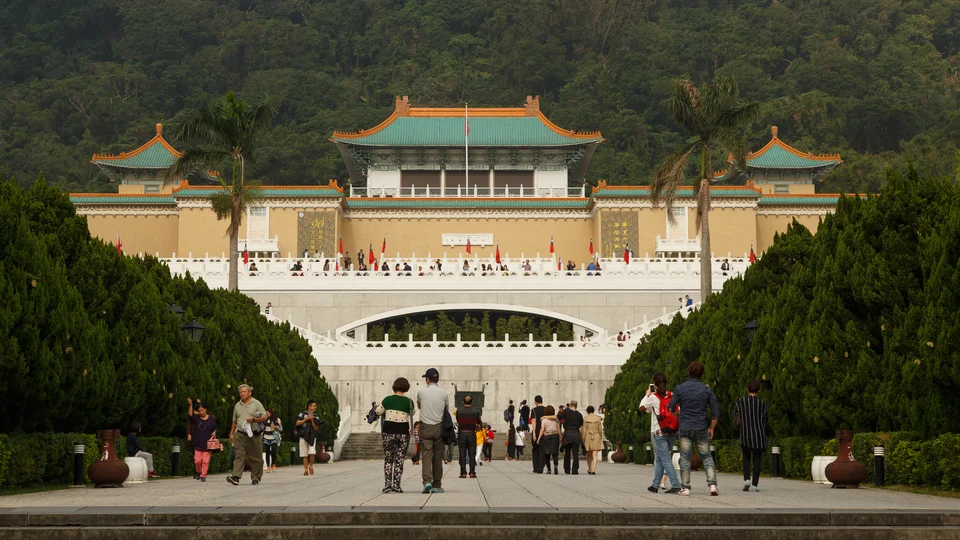
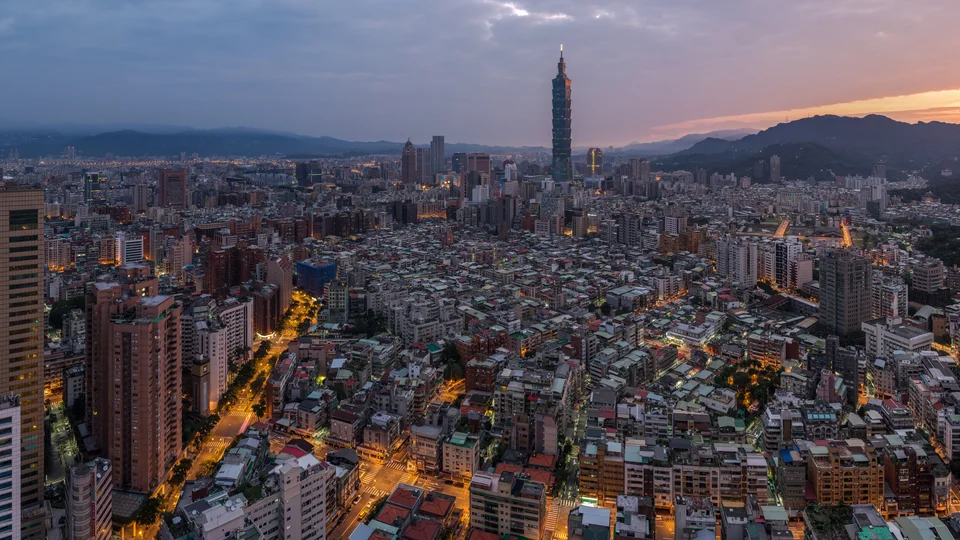
Nestled within a broad volcanic basin ringed by the Datun mountain range, Taipei carries overlapping layers of history: Qing-era Han settlement, Japanese colonial urban planning, and decades of contemporary Chinese cultural evolution. It is home to one of the world’s greatest caches of ancient Chinese art at the National Palace Museum, while quiet temples, old alley teahouses and street-food stalls anchor daily life against the sharp vertical landmark of Taipei 101. The city’s soft, damp climate and compact layout make it built for slow wandering rather than rushed sightseeing.
Most overseas visitors race through a checklist of landmarks and treat night markets merely as photo backdrops, missing the rhythm of local food culture. The most frequent pitfalls are overpriced souvenir shops near major tourist exits selling mass-produced jade and tea, confusing EasyCard balance refund rules, and poor timing during typhoon season, when outdoor trails and ferry routes can shut down abruptly. Many first-time arrivals also underestimate how much walking is needed to move between old neighbourhood lanes.